Top Tips for Ensuring Comfort and Compliance with USP 800 PPE
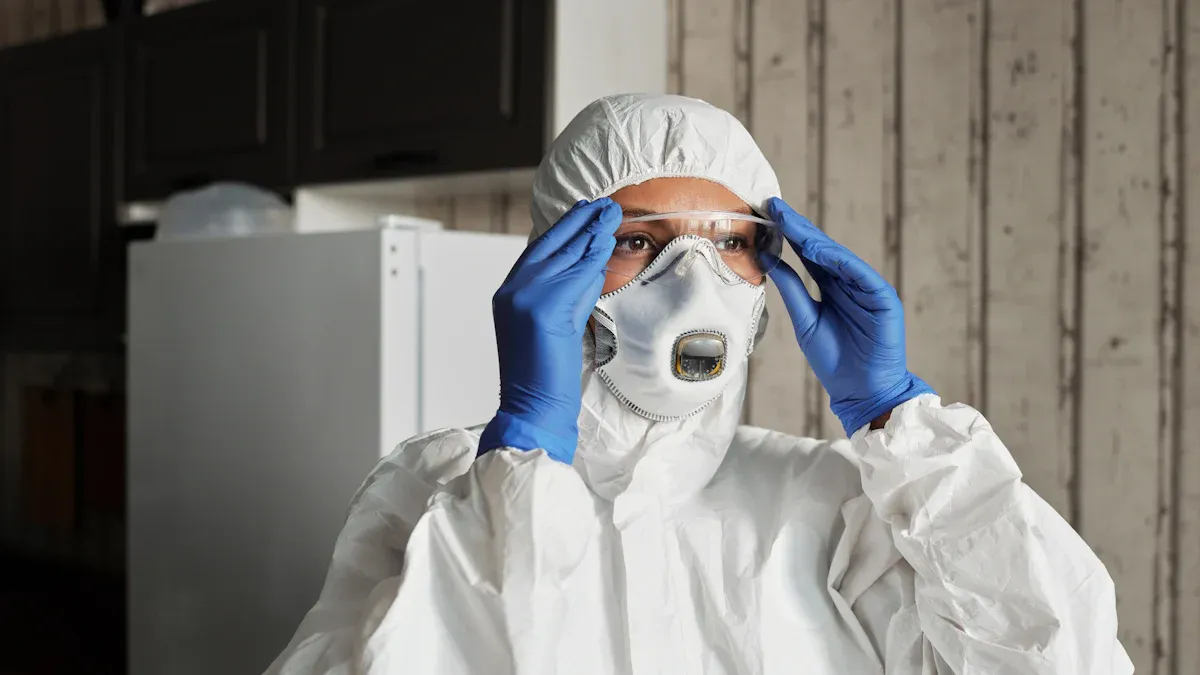
Finding the right balance between comfort and compliance is essential in the context of USP 800 PPE ergonomics and fit. Poorly fitting protective gear can lead to discomfort, which may compromise your safety and effectiveness. For instance, many healthcare workers report that tight masks cause facial pain and difficulty breathing. Full-length gowns often lead to overheating and fatigue. Such discomfort can hinder your ability to perform tasks efficiently. Therefore, “Comfort Meets Compliance: The Importance of USP 800 PPE Ergonomics and Fit” cannot be overstated, as prioritizing ergonomics in your PPE selection helps ensure that you remain comfortable while fully compliant with safety standards.
Key Takeaways
Prioritize comfort in your PPE choices to enhance compliance with safety standards.
Ensure proper sizing and fit of protective gear to prevent exposure to hazardous drugs.
Incorporate adjustable features in PPE to improve comfort and reduce the risk of injuries.
Engage in regular training to understand PPE usage and maintain compliance with USP 800.
Gather user feedback to continuously improve PPE comfort and effectiveness in the workplace.
USP 800 Overview
USP 800 sets standards for handling hazardous drugs in healthcare settings. This regulation aims to protect healthcare personnel and patients from exposure to harmful substances. Compliance with USP 800 is crucial for maintaining safety and ensuring proper drug management.
Here are some key objectives and significance of USP 800 compliance:
Objective/Significance | Description |
|---|---|
Protect healthcare personnel | Ensures safety for those handling hazardous drugs. |
Safe handling of hazardous drugs | Establishes protocols for proper drug management. |
Minimize environmental contamination | Reduces risks of exposure to hazardous substances. |
Compliance with regulatory agencies | Adheres to standards set by OSHA and NIOSH. |
Create a safer working environment | Aims to protect health and well-being of staff. |
Avoid health risks | Prevents potential health hazards from drug exposure. |
In healthcare settings, specific PPE requirements are essential for compliance with USP 800. You must wear appropriate personal protective equipment during all stages of handling hazardous drugs. Here are some key PPE requirements:
Healthcare workers must wear appropriate personal protective equipment (PPE) during all stages of handling hazardous drugs.
Double gloving is mandatory for activities such as compounding, administering, and deactivating hazardous drugs.
It is recommended to use gloves that are 6-mL thick or thicker to minimize the risk of tearing.
Workers should be aware of the specific agents their gloves have been tested against, as some hazardous drugs can compromise glove integrity.
By understanding these requirements, you can better ensure your safety and compliance with USP 800 regulations.
Ergonomics in PPE
Comfort Meets Compliance
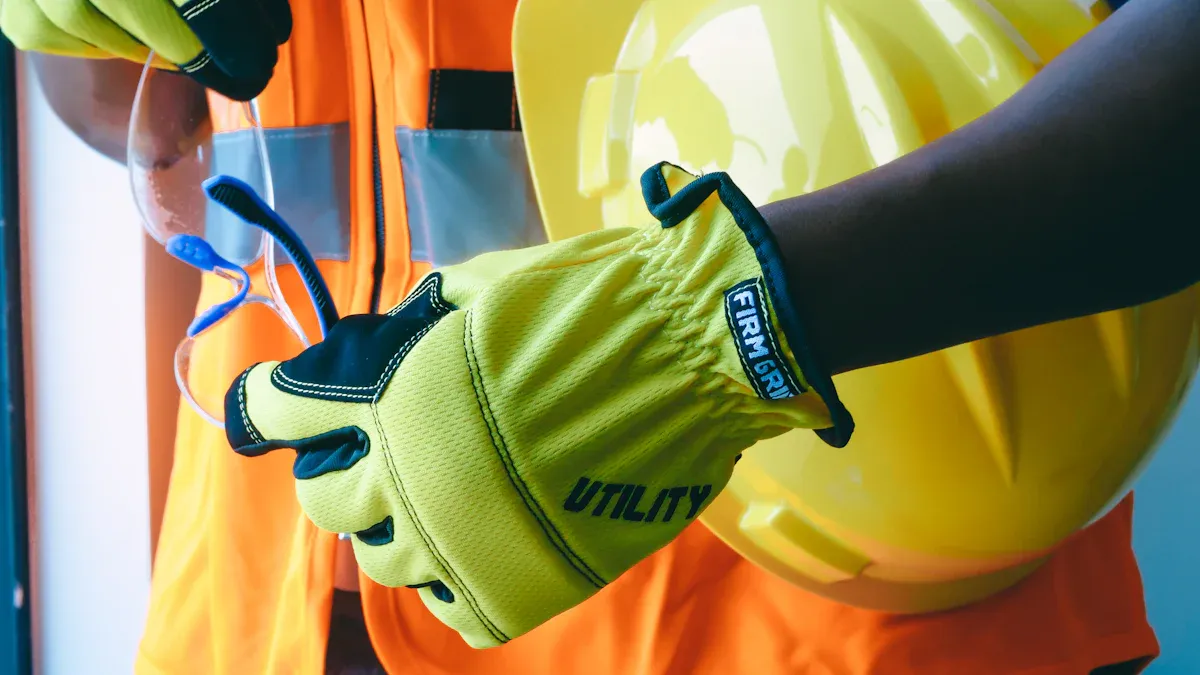
Comfort plays a vital role in ensuring compliance with USP 800 standards. When you wear PPE that feels comfortable, you are more likely to adhere to safety protocols. Discomfort can lead to distractions, making it harder for you to focus on your tasks. Research shows that ergonomic designs significantly enhance compliance rates among healthcare workers handling hazardous drugs.
Here are some factors that influence compliance:
Factor | Influence on Compliance |
|---|---|
Comfort | Increased adherence to PPE guidelines when PPE is comfortable to wear. |
Usability | Easier to use PPE leads to higher compliance rates. |
Safety Culture | Stronger safety climates correlate with better compliance and reduced health risks. |
Training | Regular training enhances understanding and adherence to PPE protocols. |
Ergonomic Design | Well-designed PPE reduces physical strain and cognitive overload, promoting compliance. |
By prioritizing comfort in your PPE choices, you create a safer working environment for yourself and your colleagues.
Fit and Movement
The fit of your PPE is crucial for ease of movement. Poorly fitting gear can restrict your mobility, making it difficult to perform essential tasks. Studies indicate that discomfort and heat stress from ill-fitting PPE can hinder job performance. A ‘one size fits all’ approach does not meet the diverse needs of healthcare workers.
Consider the following points regarding fit:
Properly fitting PPE prevents exposure to hazardous drugs.
Ill-fitting gear can lead to skin irritation or chemical burns.
Without proper PPE, you risk transferring hazardous substances to shared surfaces, leading to secondary exposure.
Ergonomic assessments highlight the significance of proper fit, weight, and design of PPE. For example, heavy lead aprons can cause discomfort and strain. Correctly fitting PPE is essential to prevent strain and enhance comfort during physically demanding tasks.
Selecting Protective Workwear

Material Choices
When selecting protective workwear, the choice of materials significantly impacts comfort and compliance. You want to ensure that your PPE is not only protective but also breathable and durable. Here are some common types of materials used in protective workwear:
Type of Garment | Description | Benefits |
|---|---|---|
Disposable | Used for general industrial protection, often with low-level hazards. | Improved comfort with high-tech microporous fabrics that are breathable, reducing heat stress. |
Reusable | Traditional fabrics like PVC and Butyl rubber, used for higher protection needs. | Durable and can withstand tough environments, ideal for specific chemical hazards. |
Limited-use | Newer film-laminate materials designed for broad chemical protection. | Cost-effective and provide adequate protection while enhancing comfort. |
Choosing high-quality protective workwear made from these materials can help you stay comfortable while ensuring compliance with safety standards. Breathable fabrics allow for better airflow, reducing the risk of overheating during long shifts. Durable materials ensure that your gear lasts longer, providing consistent protection against hazardous substances.
Design Features
Innovative design features in protective workwear can greatly enhance your comfort and compliance. Ergonomic designs focus on how the gear fits and moves with your body. Here are some key design innovations to consider:
Innovation Type | Description |
|---|---|
Smart PPE | Embedded sensors that monitor environmental conditions and track workers’ locations in real time. |
Advanced Materials | Nanofibers enhance breathability, nano-coatings improve resistance, and self-decontaminating fabrics neutralize pathogens. |
Ergonomic Enhancements | Modular designs, lightweight materials, and better-fitting options enhance comfort and usability. |
Augmented Reality (AR) | AR-enabled helmets and goggles provide critical safety information in high-risk environments. |
Eco-Friendly PPE | Sustainable materials and reusable options reduce environmental impact while ensuring safety. |
These design features address common barriers to compliance among healthcare workers. For example, smart PPE can alert you to hazardous conditions, allowing you to take immediate action. Ergonomic enhancements ensure that your protective workwear fits well, allowing for greater mobility and reducing fatigue.
By prioritizing both material choices and design features, you can select protective workwear that not only meets compliance standards but also enhances your overall comfort and effectiveness in the workplace.
Sizing and Adjustability
Importance of Proper Sizing
Proper sizing of personal protective equipment (PPE) is crucial for preventing hazardous drug exposure. When PPE fits correctly, it creates a barrier that protects you from harmful substances. Here are some key points to consider:
Providing appropriate PPE is essential for pharmacy staff.
Proper training on PPE usage minimizes direct contact with hazardous drugs.
Adherence to safety measures protects staff from exposure risks.
A study found that improper sizing of PPE is linked to reduced compliance among healthcare workers. Specifically, 74.4% of participants reported issues with inappropriate PPE size. This highlights the need for employers to provide suitable PPE based on task requirements. Training on the correct use of PPE is also mandated to ensure safety.
Adjustable Features
Adjustable features in PPE can significantly enhance comfort and compliance. When you can customize the fit of your protective gear, you increase your satisfaction and reduce the likelihood of injuries. Consider these benefits of adjustable PPE:
Ergonomic designs enhance comfort.
Compliance rates can increase by 25% with better-fitting gear.
Adjustable fits and breathable materials lead to higher worker satisfaction, reducing PPE removal.
Employers should prioritize PPE that includes adjustable straps, elastic bands, and customizable sizes. These features allow you to tailor the fit to your body, ensuring that you remain comfortable while working. This customization not only improves your experience but also promotes compliance with USP standards.
By focusing on proper sizing and adjustable features, you can create a safer and more comfortable working environment. This approach minimizes the risk of hazardous drug exposure and enhances overall compliance with safety regulations.
Training for Compliance
Best Practices
Training plays a vital role in ensuring proper use of PPE in healthcare settings. You must undergo training before introducing new equipment or hazardous drugs. Here are key components of effective training:
Overview of hazardous drugs and their risks
Proper disposal methods for hazardous drugs
Instructions on using equipment and devices
Guidelines for proper PPE usage
Response protocols for hazardous drug exposure
Review of standard operating procedures (SOPs) for handling hazardous drugs
Spill management techniques
Competency assessments should occur at least every 12 months. Your training should also include SOPs that cover administering, compounding, and disposing of hazardous drugs. Additionally, training must detail the process for receiving and unpacking hazardous drugs, including PPE requirements.
Requirement | Frequency |
|---|---|
Before independent handling | |
Reassessment of training | At least every 12 months |
Training on new hazardous drugs or equipment | Prior to the change |
User Feedback
User feedback is essential for improving PPE comfort and compliance. Regularly assessing PPE and seeking input from workers ensures that the equipment meets their needs. Here are some effective ways to gather feedback:
Conduct surveys and fit-testing sessions to address design issues or discomfort.
Involve workers in PPE selection to increase their sense of ownership over their safety equipment.
Encourage open discussions about PPE experiences to identify areas for improvement.
By prioritizing user feedback, you can enhance workplace safety and ensure that your PPE remains effective and comfortable. This approach not only promotes compliance with safety regulations but also fosters a culture of employee safety and well-being.
In summary, prioritizing comfort and compliance in USP 800 PPE is essential for your safety and effectiveness in healthcare settings. You must choose protective gear that fits well and feels comfortable. This choice not only enhances your compliance with safety standards but also reduces distractions during critical tasks.
To improve your PPE experience, consider these actionable steps:
Implement comprehensive training programs to ensure you understand the importance of PPE.
Involve yourself in safety committees to address challenges in PPE use.
Encourage regular feedback sessions to identify safety concerns and improve PPE use.
By taking these steps, you can create a safer working environment for yourself and your colleagues. Remember, your comfort directly impacts your compliance and overall safety.
FAQ
What is USP 800?
USP 800 sets standards for handling hazardous drugs in healthcare. It aims to protect healthcare workers and patients from exposure to harmful substances. Compliance with these standards ensures safety during drug management.
Why is proper sizing important in protective clothing?
Proper sizing in protective clothing prevents exposure to hazardous drugs. Ill-fitting gear can lead to skin irritation and reduce compliance. You must ensure your workwear fits correctly to maintain safety.
How can I improve my comfort while wearing PPE?
To improve comfort, choose breathable materials and ergonomic designs. Look for adjustable features in your workwear. These elements enhance fit and reduce fatigue during long shifts.
What are the key components of PPE training?
PPE training should cover hazardous drug risks, proper usage, disposal methods, and response protocols. Regular assessments ensure you understand safety measures and maintain compliance with USP standards.
How does user feedback impact PPE selection?
User feedback helps identify comfort issues and design flaws in PPE. Involving workers in the selection process increases satisfaction and compliance. Regular feedback sessions foster a culture of safety in the workplace.