Optimizing Pharmacy Compounding Environments with USP 800 PPE
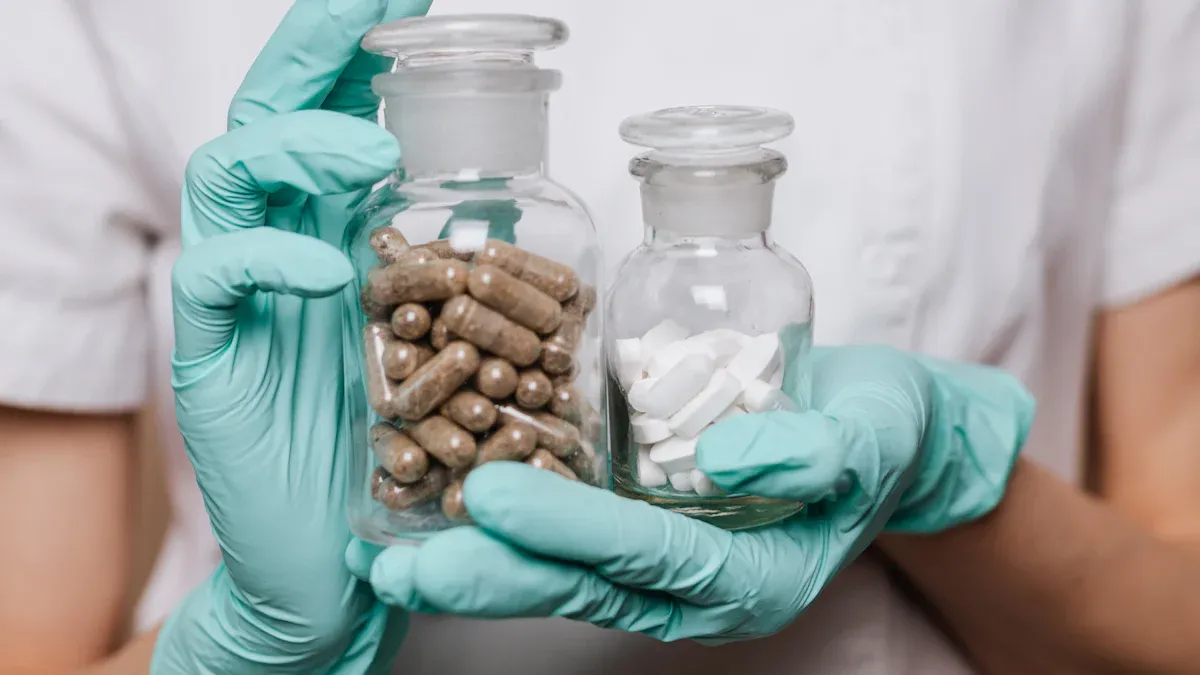
In pharmacy compounding, optimizing pharmacy compounding environments with USP 800 PPE is crucial for your safety. Hazardous drugs can pose serious health risks, making proper protection essential. The USP 800 guidelines provide a framework that helps you maintain a safe working environment. By adhering to these standards, you can effectively minimize exposure to harmful substances and protect yourself and your colleagues.
Key Takeaways
Follow USP 800 guidelines to ensure safety when handling hazardous drugs. These standards protect healthcare workers and patients from exposure.
Use appropriate personal protective equipment (PPE) like gloves, gowns, and masks to minimize contamination risks during compounding.
Conduct regular environmental monitoring to detect hazardous drug residues. Aim for at least semi-annual checks to maintain a safe workspace.
Implement effective decontamination procedures after handling hazardous substances. Use proven cleaning agents to ensure thorough cleaning.
Provide ongoing training for staff on safe handling practices and compliance with USP 800. Regular drills prepare everyone for potential emergencies.
Understanding USP 800 Guidelines
Overview of USP 800
USP 800 establishes standards for handling hazardous drugs in healthcare settings. This guideline aims to protect healthcare workers, patients, and the environment from the risks associated with these drugs. You must develop an occupational safety plan that includes several key components:
Engineering Controls: These are systems designed to minimize exposure to hazardous drugs.
Personnel Training: Staff must receive training on safe handling practices.
Safe Work Practices: Implementing procedures that reduce the risk of exposure is essential.
Personal Protective Equipment (PPE): Proper use of PPE is critical for safety.
Hazardous Drug Waste Management: You need clear policies for the segregation and disposal of hazardous drug waste.
The development of USP 800 was a significant step forward. It formalized practices that many institutions already recommended. This standard applies to both sterile and nonsterile compounding, ensuring a minimum level of safety for everyone involved.
Compliance Importance
Compliance with USP 800 is not just a best practice; it is a legal requirement. Failing to adhere to these guidelines can lead to serious consequences. Pharmacies may face regulatory penalties, including fines or license suspension. Non-compliance can also jeopardize contracts with Pharmacy Benefit Managers (PBMs) and expose pharmacies to liability for workplace safety violations.
Moreover, studies show that compliance with USP 800 significantly reduces occupational exposure to hazardous drugs. For instance, over 100 studies have documented contamination in healthcare environments. By following these guidelines, you contribute to a safer workplace and protect your health and the health of your colleagues.
PPE Usage in Compounding
Types of Required PPE
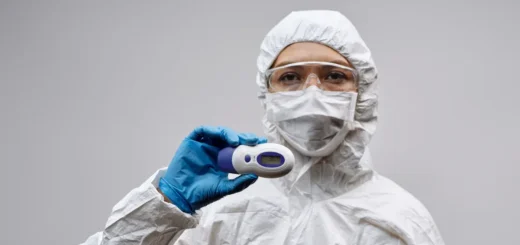
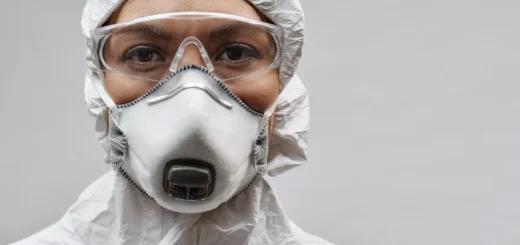
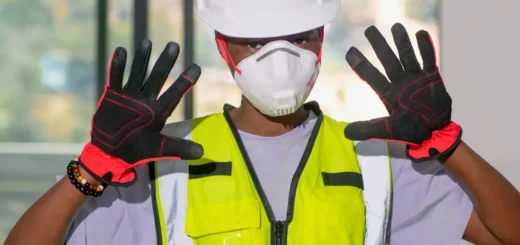
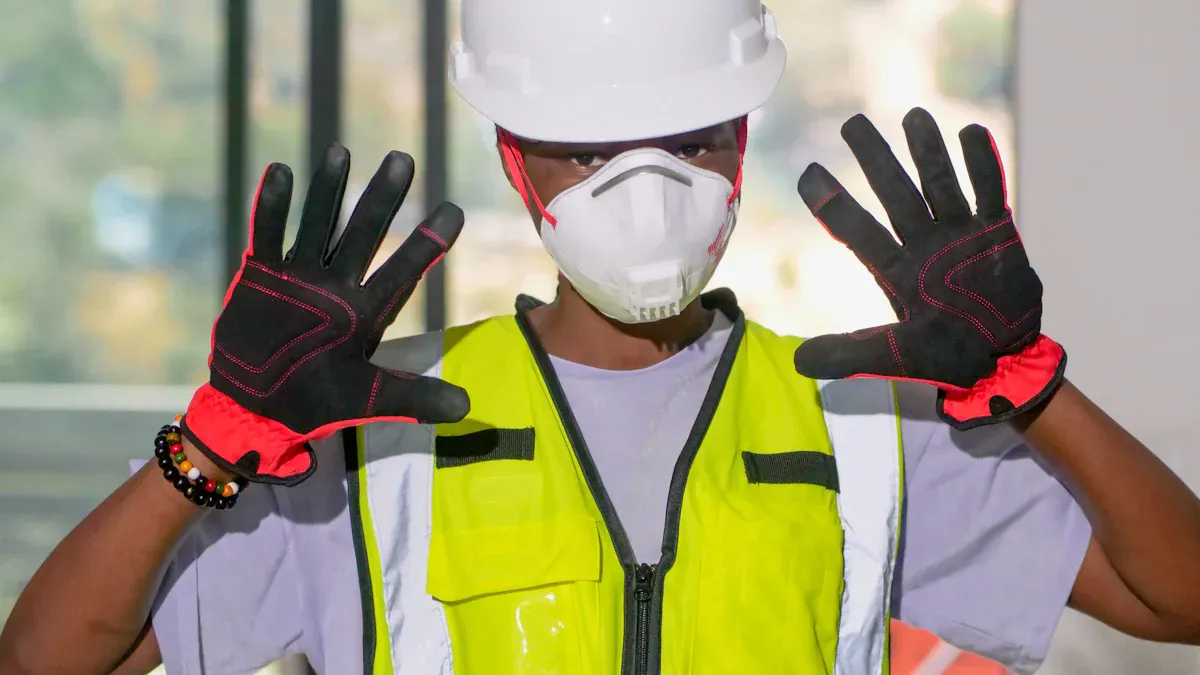
When handling hazardous drugs, you must wear appropriate personal protective equipment (PPE) to ensure your safety. The following table outlines the types of PPE mandated by USP 800 for hazardous drug compounding:
Type of PPE | Description |
|---|---|
Gloves | Double gloves, specifically chemotherapy gloves, are required for handling hazardous drugs. |
Gowns | Disposable gowns that resist permeability by hazardous drugs are mandated. |
Head and Hair Covers | Required to prevent contamination during compounding. |
Eye and Face Protection | Goggles are necessary when there is a risk of spills or splashes of hazardous drugs. |
Respiratory Protection | An N95 surgical respirator mask must be worn to protect against airborne particles. |
Each type of PPE serves a specific purpose in protecting you from exposure to hazardous substances. For example, gloves create a chemical-resistant barrier to prevent dermal absorption, while gowns shield your torso and limbs from liquid penetration.
Correct Usage Protocols
Proper donning and doffing of PPE is crucial to minimize contamination and exposure risks. Follow these steps for correct usage:
Outer Sterile Gloves: Remove the outer pair of sterile gloves inside the Containment Primary Engineering Control (C-PEC).
Outer HD Gown: Carefully remove the outer HD gown outside the doffing area and dispose of it properly.
Outer Shoe Covers: Sit down to remove the outer shoe covers one at a time, disposing of them in the trace waste receptacle.
Inner Gloves: Remove the inner gloves while standing inside the doffing area.
Leave the HD Buffer Room.
Inner Non-HD Gown: Remove the inner non-HD gown and dispose of it or hang it for reuse.
Perform Hand Hygiene: Wash hands thoroughly after removing the inner non-HD gown.
Cross the line of demarcation (LOD) to the “Dirty” Side of Anteroom.
Head, Face, and Inner Shoe Covers: Remove and dispose of these items.
While PPE is essential, it has limitations. Not all gloves provide adequate protection; some allow rapid permeation of hazardous drugs. For instance, polyvinyl chloride gloves offer minimal protection. Similarly, NIOSH-certified N-95 respirators do not protect against gases and vapors. Surgical masks do not offer respiratory protection and should not be used for compounding or administering drugs. Understanding these limitations helps you make informed decisions about your safety.
By following these guidelines, you contribute to optimizing pharmacy compounding environments with USP 800 PPE, ensuring a safer workplace for yourself and your colleagues.
Engineering Controls for Safety
Negative Pressure Rooms
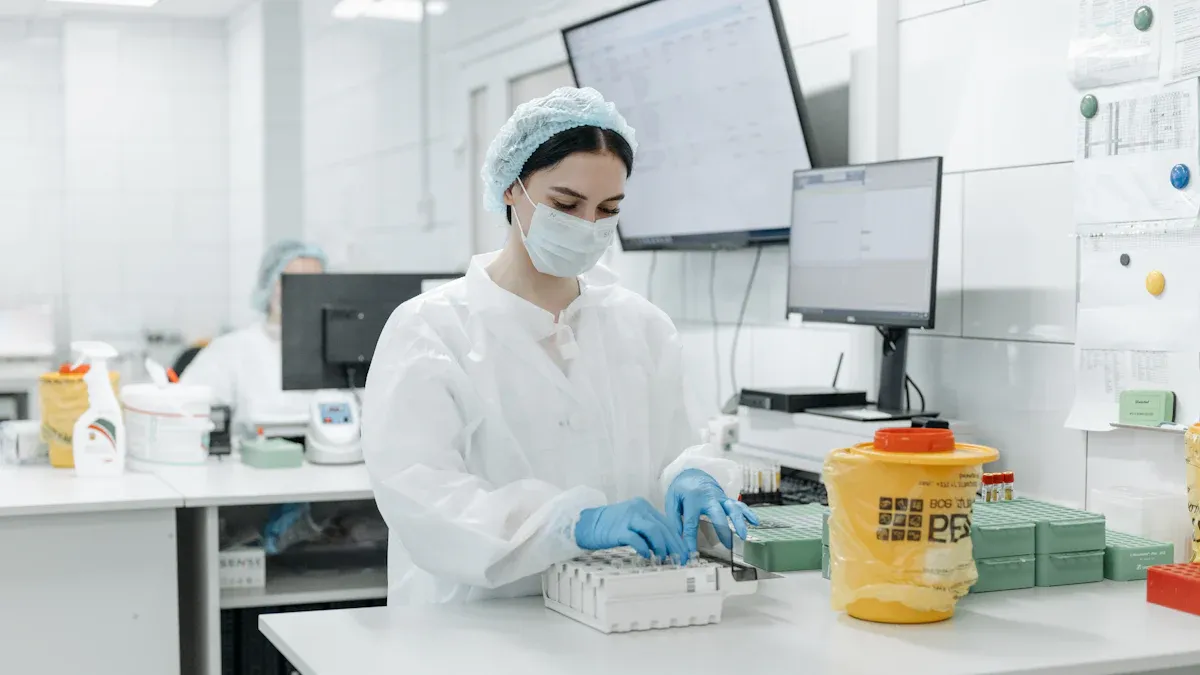
Negative pressure rooms play a vital role in controlling hazardous drug contamination. These rooms maintain a lower pressure inside compared to surrounding areas. This design helps contain hazardous substances, ensuring they do not escape into the external environment. Here are some key features of negative pressure rooms:
Airflow Management: When you open the door of a negative pressure room, air flows in from non-contaminated areas. This prevents the escape of potentially hazardous air.
Exhaust Systems: These systems remove contaminated air, filtering it before releasing it outside. This process ensures safety for everyone in the vicinity.
Air Changes: According to USP 800, negative pressure ISO-7 buffer rooms require a minimum of 30 air changes per hour. The pressure differential should be maintained between 0.01 and 0.03 inches of water.
By adhering to these standards, you create a safer environment for compounding hazardous drugs.
Biosafety Cabinets
Biosafety cabinets are essential for minimizing exposure to hazardous drugs during compounding tasks. They effectively limit the release of airborne hazardous drug concentrations, contributing to a safer environment for healthcare workers. Here’s how they function:
Containment: Biosafety cabinets provide personnel, product, and environmental protection. They are designed to prevent the escape of hazardous substances into the surrounding area.
Types of Cabinets: There are different classes of biosafety cabinets, each serving specific purposes. Below is a comparison of Class II and Class III biosafety cabinets:
Feature | Class II Biosafety Cabinet | Class III Biosafety Cabinet |
|---|---|---|
Protection | Personnel, product, and environmental protection | Maximum containment (BSL-3/4 applications) |
Construction | Open front with HEPA-filtered air | Gas-tight, negative-pressure glovebox |
Operator Interaction | Open access for operators | Work through sealed glove ports |
Use Case | Suitable for a variety of laboratory applications | Designed for high-risk pathogens or hazardous particulates |
USP <800> recommends using Class II B2 or Class III cabinets for hazardous drug compounding due to their superior containment capabilities. By utilizing these cabinets, you significantly reduce the risk of exposure to hazardous drugs, ensuring a safer compounding environment.
Environmental Monitoring Practices
Monitoring Frequency
Frequent environmental monitoring is essential in compounding areas to ensure safety. USP Chapter <800> recommends that you conduct environmental monitoring at least semi-annually. This frequency helps verify that hazardous drug surface residues are contained effectively. If you notice any signs of contamination or if your facility handles particularly hazardous drugs, consider increasing the monitoring frequency.
Common methods for environmental monitoring include:
Surface Wipe Sampling: This method involves using a moistened wipe to collect samples from surfaces, typically in a 10 cm × 10 cm area. You send these samples to a lab for analysis, which can take days or weeks.
Lateral Flow Immunoassay (LFIA): This newer method allows for near real-time detection of hazardous drugs on surfaces. You can obtain results within minutes without needing laboratory analysis.
By implementing these monitoring practices, you can maintain a safer compounding environment.
Decontamination Procedures
Effective decontamination procedures are crucial for minimizing exposure to hazardous drugs. After handling hazardous substances, you must clean surfaces thoroughly to prevent cross-contamination. Research shows that not all cleaning agents are equally effective. For example, Ecolab QSR heavy-duty degreaser effectively eliminated MTX contamination. However, other agents like 70% isopropyl alcohol and Lysol spray failed to remove CYP contamination. This highlights the need for further research to identify more effective decontamination solutions.
To ensure proper decontamination, follow these steps:
Use Appropriate Cleaning Agents: Select agents proven to be effective against specific hazardous drugs.
Follow Manufacturer Instructions: Adhere to the recommended contact time for cleaning agents to ensure effectiveness.
Document Cleaning Procedures: Keep records of cleaning activities to maintain compliance and track effectiveness.
By prioritizing environmental monitoring and decontamination, you contribute to optimizing pharmacy compounding environments with USP 800 PPE, ensuring a safer workplace for everyone involved.
Training and Compliance
Staff Training Requirements
You must ensure that all personnel handling hazardous drugs receive proper training. This training should occur before their initial assignment to work with these drugs. Additionally, you need to provide training whenever new hazardous drugs are introduced or when hazard information changes. Here are the key training requirements:
Initial Training: Complete training before starting work with hazardous drugs.
Ongoing Training: Provide refresher training annually.
Mock Spill Drills: Conduct these drills every 12 to 18 months to prepare staff for potential emergencies.
By following these training protocols, you enhance safety and ensure that everyone understands the risks associated with hazardous drugs.
Compliance Checks
Ongoing compliance checks are essential for maintaining a safe compounding environment. Regular assessments help you identify potential issues and ensure adherence to USP 800 guidelines. Here are some best practices for conducting compliance checks:
Best Practice | Description |
|---|---|
Room Pressure | Maintain negative pressure in the compounding suite’s buffer room to ensure safety and compliance. |
Space Requirements | Ensure adequate space for equipment and staff mobility. |
Workflow Efficiency | Design for ease of communication and workflow between cleanrooms and general areas. |
Cleaning Ease | Use materials and designs that facilitate easy maintenance. |
Comfort | Design must consider human temperature needs while wearing PPE and drug stability requirements. |
Primary Engineering Control | Ensure the compounding hood meets containment and cleanliness standards. |
Mechanical Design | Address building pressures to maintain room pressure effectively. |
Air Exhaust | Safely exhaust contaminated air while maintaining appropriate room pressure. |
Unique Solutions | Tailor solutions to meet specific facility needs based on existing conditions and regulations. |
Common compliance issues include ensuring that staff are trained and aware of their responsibilities, maintaining proper facility and engineering controls, and documenting procedures for decontaminating and cleaning. By prioritizing these checks, you contribute to optimizing pharmacy compounding environments with USP 800 PPE, ensuring a safer workplace for everyone involved.
Equipment and PPE Maintenance
Regular Equipment Checks
Regular equipment checks are essential for maintaining a safe compounding environment. You should inspect all equipment frequently to ensure it operates correctly. Equipment failures can lead to serious consequences, including:
Operational disruptions in medication management processes.
Significant risks to patient safety due to compromised integrity of compounded sterile preparations.
Increased exposure of healthcare workers to hazardous drugs from equipment malfunctions.
Regulatory compliance issues that may impact the overall functioning of the pharmacy.
To avoid these risks, establish a routine schedule for equipment checks. Document each inspection to track performance and identify any recurring issues. This practice helps you maintain compliance with USP 800 guidelines and ensures a safer environment for everyone involved.
PPE Maintenance Protocols
Proper maintenance of personal protective equipment (PPE) is crucial for your safety. Follow these protocols to ensure effective PPE usage:
Define a visible doffing area immediately inside the HD buffer room or C-SCA.
Position a bench or stool on the doffing line to facilitate effective doffing.
Place an HD trash can lined with a yellow trace waste bag on the HD side of the line.
Follow the suggested sequence for doffing PPE when exiting the HD buffer room:
Outer sterile gloves (doffed in C-PEC)
Outer HD gown
Outer shoe covers while sitting on the stool and crossing over the line of demarcation (LOD)
Remove inner gloves using a special technique while standing inside the doffing area
Leave the HD buffer room
Remove inner non-HD gown (if doffing is performed properly, then this gown is not contaminated)
Wash hands
Cross LOD to the dirty side of the anteroom
Remove head, face, and inner shoe covers (none of which are contaminated provided plastic seamless shoe covers were worn as the outer shoe cover).
Improper maintenance of PPE can lead to contamination and unsafe handling practices. Ensure you follow these protocols to minimize the risk of hazardous drug exposure and maintain a safe working environment.
Adhering to best practices for safety and compliance in hazardous drug compounding environments is essential. You protect yourself, your colleagues, and patients by following guidelines like USP 800. Key practices include using engineering controls, wearing appropriate PPE, and maintaining rigorous cleaning procedures.
Consider these long-term benefits of consistent compliance:
Enhanced worker safety
Better environmental protection
Fostering a culture of quality
Regulatory agencies recommend continuous improvement through regular risk assessments and staff training. By committing to these practices, you contribute to optimizing pharmacy compounding environments with USP 800 PPE, ensuring a safer workplace for everyone involved.
FAQ
What is USP 800?
USP 800 provides guidelines for handling hazardous drugs safely in healthcare settings. It aims to protect healthcare workers, patients, and the environment from exposure to these drugs.
Why is PPE important in compounding?
PPE protects you from exposure to hazardous drugs during compounding. It minimizes the risk of contamination and ensures your safety while handling these substances.
How often should I monitor the compounding environment?
You should conduct environmental monitoring at least semi-annually. If you handle particularly hazardous drugs, consider increasing the frequency to ensure safety.
What types of PPE are required?
You need gloves, gowns, head covers, eye protection, and respiratory protection when handling hazardous drugs. Each type serves a specific purpose in preventing exposure.
How do I properly doff PPE?
To doff PPE, follow a specific sequence: remove outer gloves in the C-PEC, then outer gown, shoe covers, inner gloves, and finally wash your hands. Always dispose of items properly.