Advanced Protection: Choosing Chemotherapy Gowns and Gloves
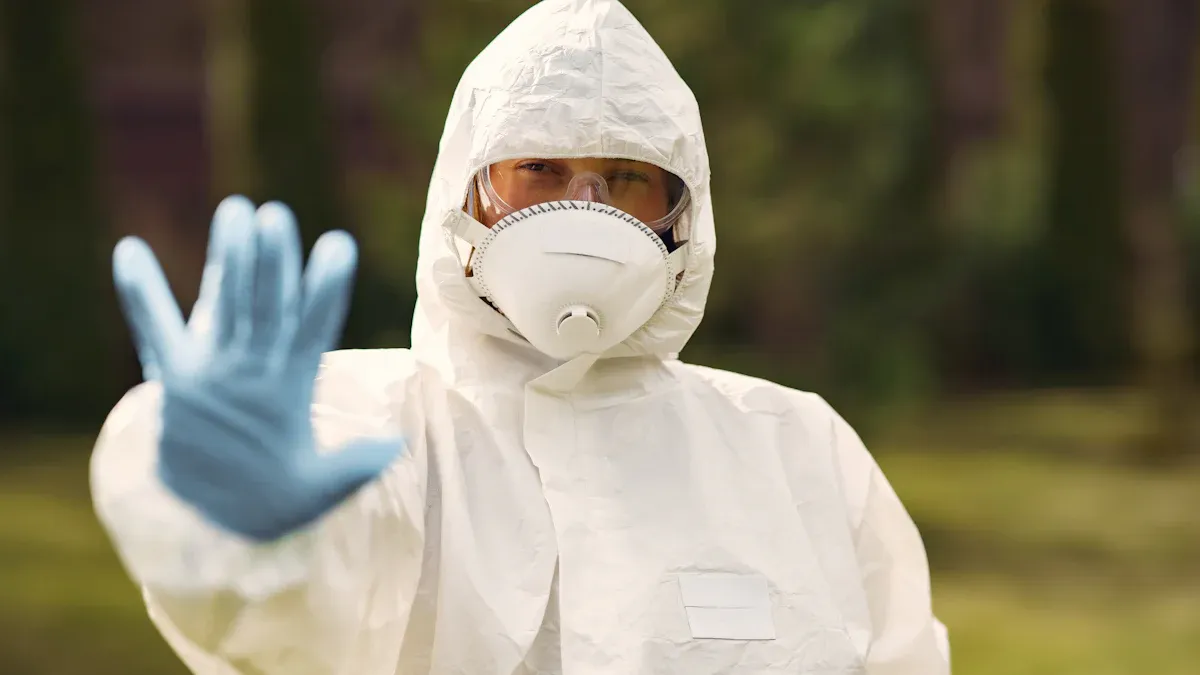
Handling hazardous drugs requires your utmost attention to safety. You must prioritize protection to minimize risks, especially when considering Advanced Protection: Choosing Chemotherapy Gowns and Gloves under USP 800. Compliance with USP 800 standards is crucial in this regard. Currently, 89% of compounding facilities report meeting most or all of the USP <800> requirements, while only 46% of hospitals achieve full compliance. Choosing the right chemotherapy gowns and gloves involves several key factors: material quality, fit, and coverage. These elements ensure you remain safe while performing your duties.
Key Takeaways
Prioritize compliance with USP 800 standards to protect yourself and patients from hazardous drug exposure.
Choose chemotherapy gowns and gloves made from high-quality materials for better barrier protection against spills.
Always double-glove when handling hazardous drugs to significantly reduce the risk of exposure.
Change gowns every 2-3 hours or immediately after spills to maintain safety during drug handling.
Follow proper donning and doffing procedures to minimize contamination risks and ensure safe disposal of PPE.
USP 800 Compliance
Compliance with USP 800 is essential for healthcare professionals who handle hazardous drugs. This standard outlines the necessary precautions to protect both staff and patients from the risks associated with these substances. When you follow these guidelines, you help create a safer environment in your workplace.
Implications for Healthcare Professionals
As a healthcare professional, you face significant health risks if you do not use proper protective equipment. The dangers include:
Inhalation: Breathing in vapors or dust when mixing liquids or crushing pills.
Ingestion: Contaminated hands can lead to accidental ingestion, especially if you eat without washing your hands.
Skin Absorption: Direct contact with hazardous drugs through spills or contaminated surfaces can lead to absorption.
Accidental Injection: Skin punctures from sharps can introduce hazardous drugs into your system.
“There is no known safe exposure level for hazardous drugs,” said Rachael Crickman, DNP, ARNP-CNS, AOCNS, OCN, an oncology research nurse educator at Swedish Medical Center in Seattle, Washington. This statement underscores the importance of adhering to safety protocols.
Necessity of Compliance
Compliance with USP 800 is not just a recommendation; it is a necessity. The standard requires specific practices to minimize exposure to hazardous drugs. For instance, you must wear two layers of chemotherapy gloves when handling these substances, except for intact capsules and tablets. Additionally, chemotherapy gloves must meet ASTM D6978 standards, be powder-free, and undergo inspection before and during use.
Gowns also play a critical role in your protection. They should be changed every 2-3 hours if no permeation occurs. If you experience any spills or tears, you must change them immediately. These practices are vital for maintaining safety in your daily operations.
Failure to comply with USP 800 can lead to severe consequences for healthcare facilities. Non-compliance can result in regulatory penalties, jeopardizing your facility’s accreditation and funding. Moreover, it can lead to operational disruptions, requiring costly upgrades to meet compliance standards.
Key Features of Chemotherapy Gowns
Material and Design
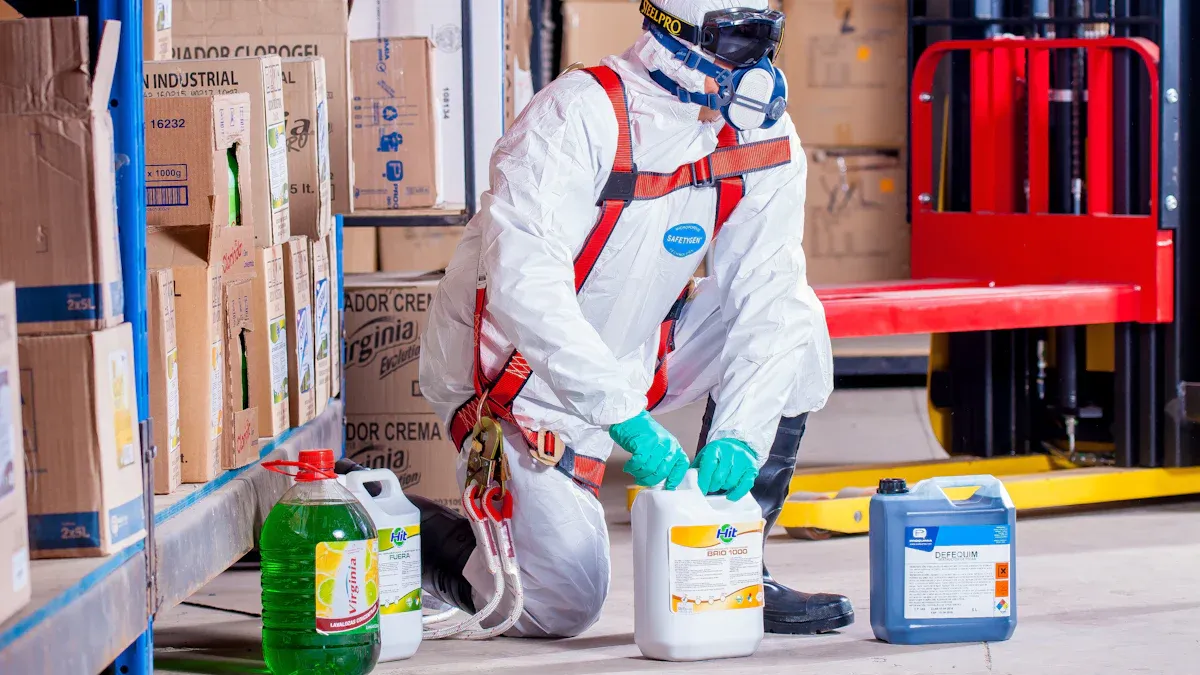
When selecting chemotherapy gowns, you must consider the materials used in their construction. The right material enhances your protection against hazardous drugs. Common materials for chemotherapy gowns include:
Polyethylene-coated polypropylene
Polyethylene film
Specialized fabrics designed to resist hazardous substance permeation
Barrier performance testing is crucial for evaluating gown effectiveness. The AAMI PB70 standard classifies fabric resistance to various fluids, including water and synthetic blood. A study found that composite gowns made with polypropylene coatings and polyethylene provided superior protection against hazardous drugs.
Regulatory agencies recommend specific design features for optimal protection. Here are some essential elements to look for:
Description | |
|---|---|
Material Specifications | Advanced non-woven fabrics like SMS and poly-coated laminates provide superior fluid barrier protection and breathability. |
Compliance with Standards | Gowns must meet AAMI PB70:2012 standards, with Level 4 gowns required for chemotherapy handling. |
Performance Metrics | Key attributes include hydrostatic pressure resistance (≥ 100 cmH₂O), tensile strength, and breathability (MVTR). |
Functional Design Elements | Gowns should have functional pockets for storage and be designed for comfort and efficiency during use. |
Fabric Characteristics | Use of lint-free, low-permeability fabric, with features like long sleeves and elastic cuffs for better protection. |
Proper Fit and Coverage
The fit and coverage of chemotherapy gowns significantly influence your level of protection against hazardous drug exposure. A gown that fits well and covers adequately minimizes the risk of contamination. Here are some features to consider:
Feature | Description |
|---|---|
Fit | Generous fit with long sleeves and soft, fitted knit cuffs |
Coverage | Lightweight, closed-back design for full coverage and complete protection |
Design | Adjustable neck closure for ease of donning and doffing the gown |
Gowns must be disposable, impermeable, and free of seams in vulnerable areas to prevent liquid penetration. The material should be polyethylene-coated or laminated for high resistance to liquid penetration. Ensure gowns are long-sleeved, close-fitting at the cuffs, and long enough to cover your body fully.
By focusing on these key features, you can enhance your safety while handling hazardous drugs. Choosing the right chemotherapy gown is a vital step in ensuring your protection in compliance with USP 800 standards.
Choosing Chemotherapy Gloves
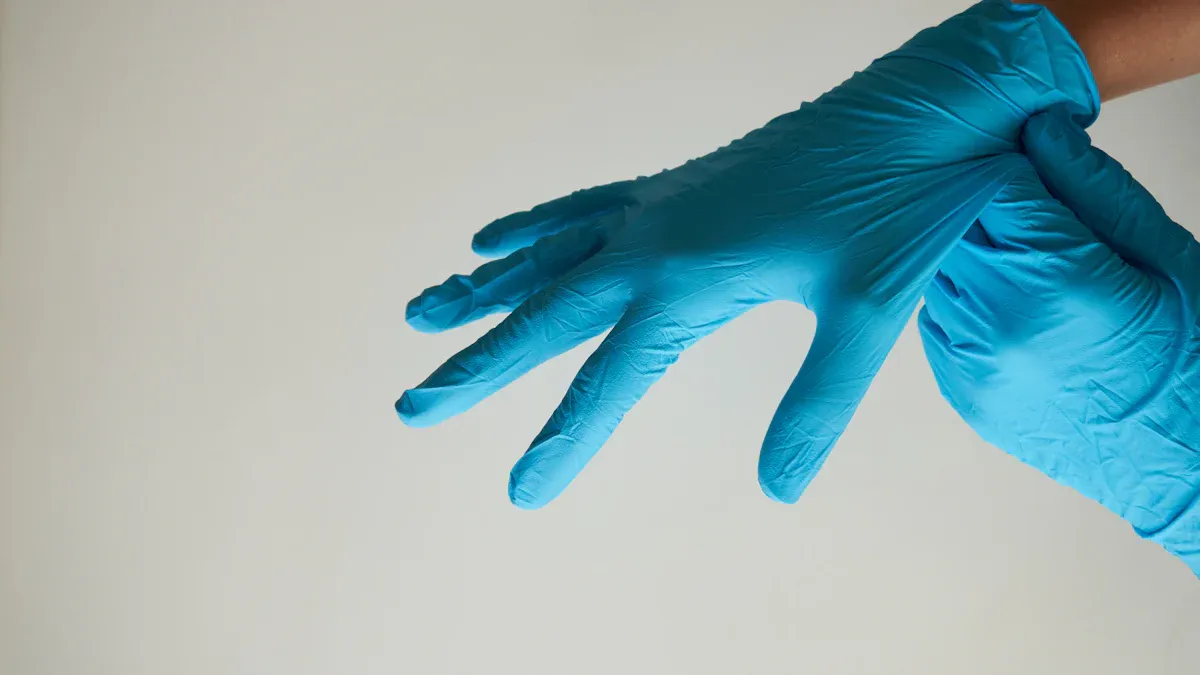
Selecting the right chemotherapy gloves is crucial for your safety when handling hazardous drugs. You must consider various types and specifications to ensure maximum protection.
Types and Specifications
When choosing chemotherapy gloves, you should look for options that meet specific standards. Here are some FDA-approved gloves for handling hazardous drugs:
SemperShield® Disposable Chemotherapy Nitrile Gloves: These gloves offer high puncture resistance and extended cuffs for extra protection.
Chemotherapy Powder Free Nitrile Gloves: Fully compliant with FDA and CE guidelines, these gloves are designed for chemotherapy drug resistance.
US Made Nitrile Exam Medical Gloves: FDA approved and ideal for handling chemotherapy drugs and hazardous chemicals.
The ASTM D6978-05 standard evaluates glove resistance to permeation by antineoplastic drugs. This standard helps you select gloves based on the specific chemotherapy drugs you will use. Always ensure that the gloves you choose are powder-free and made from materials like nitrile, polyurethane, or neoprene. Avoid vinyl gloves, as they do not provide adequate protection.
Usage Guidelines
Proper usage of chemotherapy gloves is essential for your safety. Here are some important guidelines to follow:
Change gloves immediately if they become torn, punctured, or visibly contaminated during drug administration.
Always wear two pairs of gloves when handling hazardous drugs, except for intact capsules and tablets. Studies show that double-gloving significantly reduces the risk of exposure.
Follow the recommended guidelines for changing gloves during drug preparation and administration. This practice helps maintain a safe working environment.
By adhering to these guidelines, you can enhance your safety while handling hazardous drugs. Choosing the right chemotherapy gloves is a vital part of your protective gear under USP 800 standards.
Proper Use and Disposal
Best Practices for Donning and Doffing
To minimize contamination risk, follow these best practices when donning and doffing your chemotherapy gowns and gloves:
Inspect all personal protective equipment (PPE) for defects before entering the treatment area.
Put on hair covers, shoe covers, an N95 respirator mask, goggles, and a face shield.
Wash your hands thoroughly and don a chemotherapy-rated procedure gown.
Wear two pairs of gloves. Ensure the inner glove fits under the gown cuff, while the outer glove goes over it.
When doffing, remove the outer gloves first, followed by the gown and other PPE, and then the inner gloves.
Dispose of all PPE immediately in a designated waste container and wash your hands with soap.
Tip: Define a “doffing area” inside the hazardous drug buffer room. Use a bench or stool to facilitate effective doffing.
Safe Disposal Methods
Proper disposal of chemotherapy gowns and gloves is crucial to protect both health and the environment. Follow these guidelines:
Segregate Waste: Place hazardous drug-contaminated PPE in designated containers. This prevents cross-contamination and ensures compliance with regulations.
Follow Regulations: Adhere to USP <800> compliance guidelines. Dispose of PPE after each use or when contaminated.
Environmental Impact: Improper disposal can lead to significant environmental hazards. Contaminated waste can spread infectious diseases and threaten public health. It can also contaminate water sources and soil, affecting ecosystems.
Evidence Description | Key Points |
|---|---|
USP <800> Compliance Guide | Proper disposal is essential for hazardous drug waste, which must be segregated and disposed of according to regulations. |
Chapter 27 – Handling Hazardous Drugs | PPE should be disposed of after each use or when contaminated, with specific disposal methods based on contamination level. |
By following these practices, you can ensure your safety and the safety of others while handling hazardous drugs. Always stay informed about the latest guidelines and regulations to maintain a safe working environment.
In summary, choosing the right chemotherapy gowns and gloves is vital for your safety when handling hazardous drugs. Key points include:
Compliance with USP 800 standards protects both you and your patients.
Proper fit and material of gowns and gloves enhance barrier protection.
Continuous education on PPE usage is essential for effective safety practices.
Remember, studies show that while 92% of nurses use gloves, less than 5% utilize face shields or respiratory masks. This highlights the need for comprehensive PPE usage.
Stay informed about updates in USP 800 standards. Resources like the USP Overview and Updates course can help you understand safe handling practices and compliance requirements.
Resource Title | Description |
|---|---|
USP Overview and Updates: Ensuring Safe Handling of Hazardous Drugs | This course provides a comprehensive overview of USP <800> standards, focusing on safe handling practices and compliance requirements. Participants will learn about the purpose, current requirements, and importance of USP <800> in healthcare settings. |
Your commitment to safety ensures a healthier work environment for everyone.
FAQ
What are chemotherapy gowns made of?
Chemotherapy gowns typically use materials like polyethylene-coated polypropylene or specialized fabrics. These materials resist hazardous substances and provide a barrier against spills and contamination.
How often should I change my chemotherapy gloves?
You should change your chemotherapy gloves immediately if they become torn, punctured, or visibly contaminated. Always change them after handling hazardous drugs to maintain safety.
Can I reuse chemotherapy gowns and gloves?
No, you should not reuse chemotherapy gowns and gloves. They are designed for single use to prevent contamination and ensure maximum protection against hazardous drugs.
What is the importance of double-gloving?
Double-gloving significantly reduces the risk of exposure to hazardous drugs. It provides an extra layer of protection, especially during drug preparation and administration.
How should I dispose of contaminated PPE?
Dispose of contaminated PPE in designated waste containers. Follow local regulations and USP <800> guidelines to ensure safe and compliant disposal of hazardous waste.