Mitigating Liability with USP 800 PPE Compliance
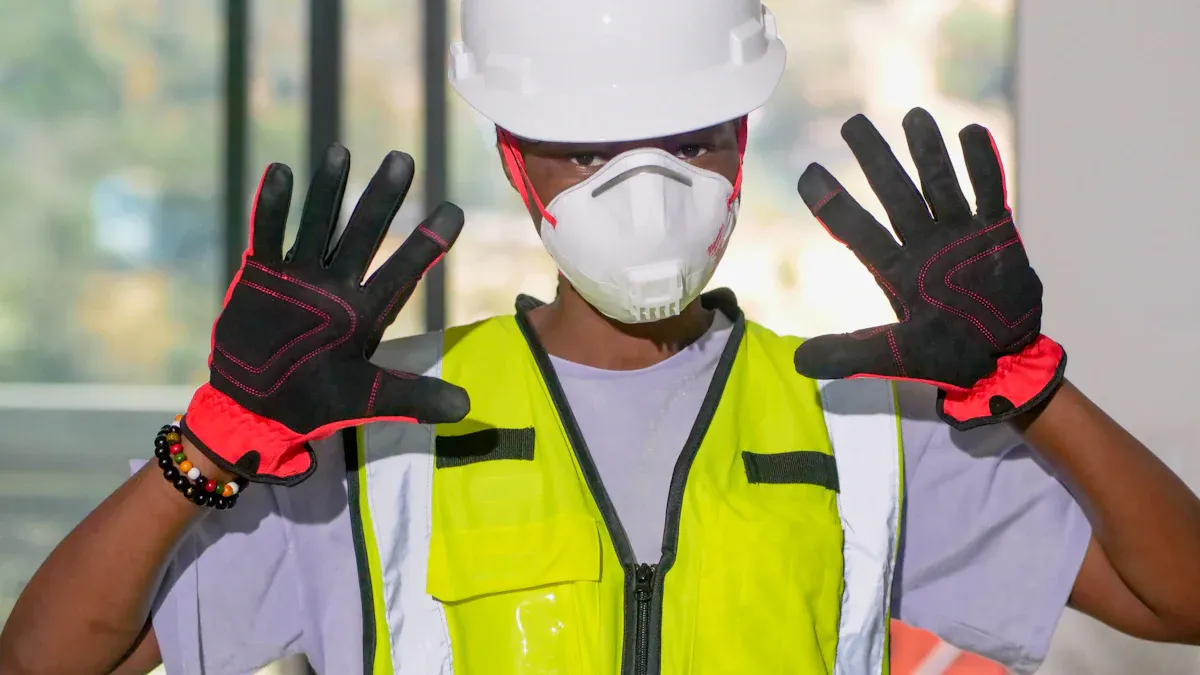
In healthcare, USP 800 regulations play a crucial role in ensuring safety when handling hazardous drugs. Personal protective equipment (PPE) is essential for compliance, as it protects you and your patients from exposure to dangerous substances. However, non-compliance can lead to significant liabilities. For instance, only 46% of hospitals report full compliance with these regulations. This gap can result in issues such as board of pharmacy citations and failed inspections. Therefore, effective PPE implementation is vital for mitigating liability: compliance and risk management in USP 800 PPE, ensuring a safe healthcare environment.
Key Takeaways
Use proper PPE to protect yourself and patients from hazardous drugs.
Regular training ensures staff know how to handle hazardous materials safely.
Conduct risk assessments to identify and address potential hazards in your facility.
Update standard operating procedures to reflect current safety practices.
Prioritize compliance with USP 800 to avoid legal issues and enhance safety.
USP 800 Overview
USP <800> establishes standards for handling hazardous drugs in healthcare settings. This regulation aims to protect healthcare personnel, patients, and the environment from the dangers posed by these substances. It covers all aspects of hazardous drug management, including transport, storage, preparation, dispensing, and administration. By following these guidelines, you can minimize exposure to harmful agents and create a safer environment for everyone involved.
Compliance with USP <800> is crucial for several reasons:
Safety: Adhering to these standards helps protect you and your colleagues from potential health risks associated with hazardous drugs.
Liability Mitigation: Non-compliance can lead to serious legal consequences, including fines and lawsuits. By following USP <800>, you reduce the risk of liability for your facility.
Patient Care: Ensuring safe handling of hazardous drugs directly impacts patient safety and care quality.
Here are some key requirements outlined in USP <800> that you should be aware of:
Requirement | Description |
|---|---|
Personal Protective Equipment (PPE) | Double gloves are required when handling hazardous drugs, including during receipt, storage, transport, compounding, administration, deactivation, cleaning, spill control, and waste disposal. |
Proper Labeling | All containers of hazardous drugs must be properly identified with labels that include the identity of the material and appropriate hazard warnings. |
Compliance with Safety Regulations | Healthcare facilities must ensure compliance with federal, state, and local laws regarding the disposal of hazardous drugs and contaminated materials. |
Training | Facilities are responsible for training personnel on appropriate PPE and safe handling methods. |
Environmental Protection | Minimize environmental contamination and exposure risks associated with hazardous drugs. |
By understanding and implementing these requirements, you can significantly enhance safety and compliance within your healthcare facility.
PPE Requirements for Compliance

Single-Use PPE
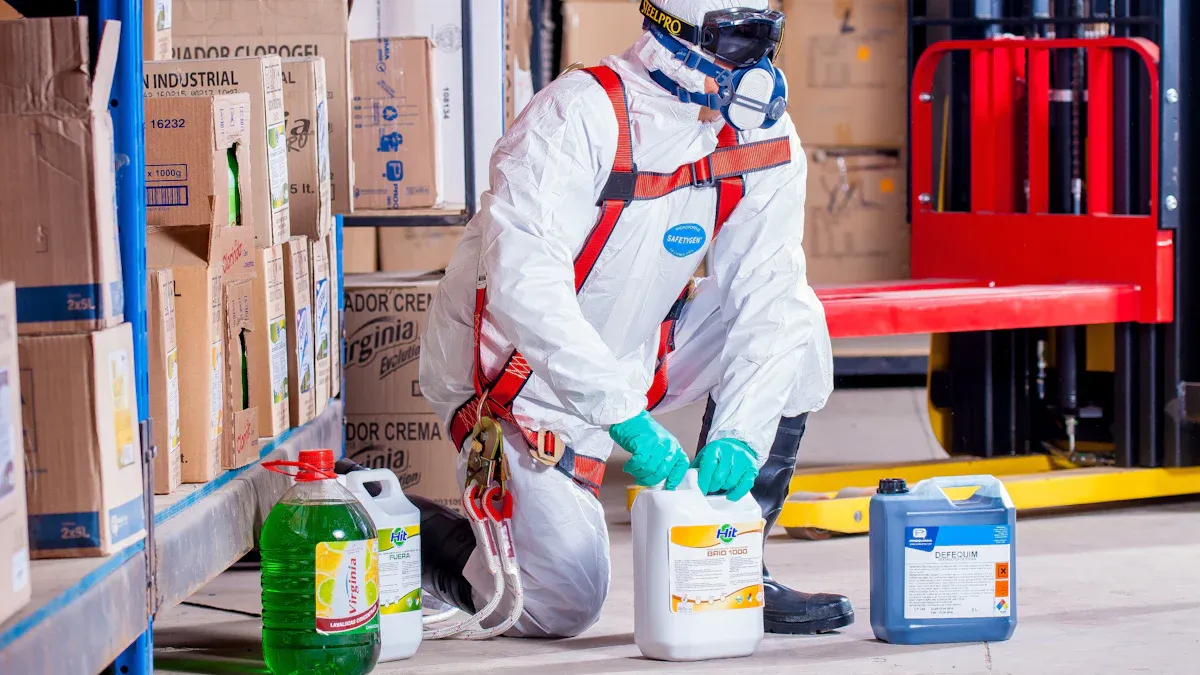
When handling hazardous drugs, you must use specific types of personal protective equipment (PPE) to ensure your safety and compliance with USP 800 regulations. Here are the essential types of single-use PPE you should have:
Slip shoe covers: These protect your footwear from contamination.
Bunny suit coveralls: Full-body protection is crucial when working with hazardous drugs.
Masks: Cover your face to prevent inhalation of harmful substances.
Gloves: Use proper gloves designed for handling hazardous drugs.
Goggles: Protect your eyes from potential splashes or spills.
Long-sleeved seamless gowns: These provide additional coverage and protection.
Head and hair covers: Prevent hazardous residue from contaminating your hair and scalp.
Respirators: Wear these when unpacking hazardous drugs to ensure proper respiratory protection.
Selecting the right PPE is vital for your safety. According to USP 800 guidelines, you should follow these minimum standards for PPE selection and use:
Gloves: Use chemotherapy gloves that meet ASTM D6978 standards. You need two pairs, changing them every 30 minutes if they become contaminated.
Gowns: Choose disposable gowns that resist hazardous drugs. They should be long-sleeved and changed every 2-3 hours or sooner if contaminated.
Head, hair, shoe, and sleeve covers: These are necessary to protect against hazardous drug residue. You must wear two pairs of shoe covers.
Eye and face protection: Goggles are required if there is a risk of spills; safety glasses do not provide adequate protection.
Respiratory protection: N95 masks are necessary and must be fit-tested. Surgical masks are not acceptable.
Disposal of PPE: Treat all worn PPE as contaminated and dispose of it properly.
Following these standards helps you mitigate liability and ensures compliance with USP 800 regulations. Proper training and adherence to these guidelines create a safer environment for you and your colleagues.
Best Practices for PPE Maintenance
To maintain compliance, you should also consider best practices for selecting and maintaining your PPE. Here’s a quick reference table:
Application in Handling HDs | |
|---|---|
Gloves | Worn during all handling of hazardous drugs |
Gowns | Used for protection during compounding and administration |
Head, hair, and shoe covers | Prevent contamination and exposure during handling |
Eye and face protection | Essential during procedures that may generate splashes |
Respiratory protection | Required when there is a risk of inhalation of hazardous drugs |
By adhering to these PPE requirements and best practices, you significantly reduce the risk of exposure to hazardous drugs. This proactive approach not only protects your health but also helps in mitigating liability: compliance and risk management in USP 800 PPE.
Mitigating Liability: Compliance and Risk Management in USP 800 PPE
Training and Procedures
To effectively mitigate liability and ensure compliance with USP 800, you must prioritize training and establish clear procedures. Here are the essential steps to follow:
Conduct Risk Assessments: Regularly evaluate your facility’s compliance with USP 800 standards. Identify potential hazards and areas for improvement.
Provide Comprehensive Training: Ensure all staff handling hazardous drugs receive thorough training. This training should cover safe handling practices, PPE usage, and emergency procedures.
Develop Standard Operating Procedures (SOPs): Create tailored SOPs that reflect your facility’s specific needs. These documents should outline the proper handling of hazardous drugs and the use of PPE.
Ensure Proper PPE Availability: Make sure that appropriate PPE is readily available and that staff knows how to use it correctly.
Appoint a Compliance Leader: Designate a person responsible for overseeing adherence to USP 800 regulations. This leader will help maintain accountability and ensure ongoing compliance.
Tip: Regular training and risk assessments are crucial. They help you stay informed about the latest safety protocols and ensure that your team is prepared to handle hazardous drugs safely.
A formal written program for compliance is vital. This program should include:
Didactic Training: Cover foundational topics such as safe handling culture, risks of occupational exposure, and controls.
Hands-on Workshops: Provide practical training with simulated hazardous drug components. This approach enhances learning through real-time assessment.
Assessments: Conduct evaluations to test knowledge and skills in aseptic technique and hazardous drug containment.
Requirement | Frequency |
|---|---|
Regularly | |
At least every 12 months | |
Risk assessments | At least every 12 months |
Review of policies and procedures | At least every 12 months |
Failing to comply with USP 800 can lead to serious consequences. Healthcare organizations may face significant administrative or legal sanctions. Non-compliance can also adversely affect the safety and well-being of healthcare workers. The implications extend beyond administrative issues, highlighting the critical need for compliance.
Monitoring and documenting PPE compliance is essential. Here are effective methods to ensure adherence:
Educate staff on proper PPE use to protect themselves and prevent the spread of infectious pathogens.
Train staff on proper donning and doffing techniques to minimize contamination risks.
Encourage frequent replacement of gloves to avoid contamination, especially when changing tasks.
Communicate extensive guidance on PPE use, including resources from the CDC.
Ensure proper removal of PPE to prevent the spread of pathogens, following recommended sequences for different types of PPE.
By implementing these training and procedural strategies, you can significantly mitigate liability and enhance compliance with USP 800 regulations. A proactive approach to risk management ensures a safer environment for both healthcare workers and patients.
Common Compliance Pitfalls
Many healthcare professionals misunderstand the requirements for personal protective equipment (PPE) under USP 800. Here are some common compliance pitfalls you should avoid:
Inadequate PPE: Some staff may not use gloves certified for hazardous drug handling. Others might skip gowns, eye protection, or respiratory gear when necessary. Each of these items plays a crucial role in your safety.
Lack of Regular Training: Failing to retrain personnel can lead to gaps in knowledge. Regular training ensures that everyone understands how to use PPE correctly and follows safety protocols.
Outdated Standard Operating Procedures (SOPs): Not updating SOPs can create confusion. You must regularly review and revise these documents to reflect current practices and regulations.
These pitfalls can increase the risk of exposure to hazardous drugs. Staff may experience short-term health issues like skin irritation. Long-term effects could include serious conditions such as reproductive harm or cancer.
Adequate training programs are essential for compliance. Ongoing training helps you and your colleagues effectively use PPE and adhere to safety protocols. Here are key components of a successful training program:
Proper PPE Usage: Training should cover how to wear and remove PPE correctly.
Decontamination Techniques: Staff must learn how to clean and maintain PPE to prevent contamination.
Emergency Protocols: Training should include what to do in case of a spill or exposure incident.
Regular competency assessments are also vital. These evaluations ensure that all staff members remain compliant with safety procedures. By addressing these common compliance pitfalls, you can significantly enhance safety and mitigate liability: compliance and risk management in USP 800 PPE.
Adhering to USP 800 regulations is essential for your safety and the safety of your colleagues. Compliance helps you avoid legal repercussions and enhances the overall safety of your healthcare environment. Here are some key takeaways:
PPE reduces contamination when handling hazardous drugs.
Proper training and procedures are vital for effective compliance.
Regular risk assessments help identify specific hazards in your facility.
By prioritizing compliance, you create a safer workplace. This proactive approach not only protects healthcare workers but also ensures better patient care. Remember, a commitment to safety today leads to a healthier tomorrow.
Evidence Summary | Key Takeaway |
|---|---|
NIOSH recommends PPE for all tasks involving hazardous drugs. | Proper PPE usage is critical for worker safety and compliance with safety standards. |
Compliance with USP <800> can lead to regulatory consequences if not followed. | Facilities must adhere to USP <800> standards to avoid legal repercussions. |
Embrace these practices to mitigate liability and foster a culture of safety in your organization.
FAQ
What is USP 800?
USP 800 sets standards for handling hazardous drugs in healthcare. It aims to protect healthcare workers, patients, and the environment from exposure to these dangerous substances.
Why is PPE important in USP 800 compliance?
PPE protects you from harmful exposure to hazardous drugs. Proper use of PPE reduces the risk of contamination and ensures compliance with safety regulations.
How often should staff receive training on PPE?
You should provide training on PPE usage regularly. Aim for at least once a year, or whenever there are updates to procedures or regulations.
What are the consequences of non-compliance with USP 800?
Non-compliance can lead to legal penalties, fines, and citations from regulatory bodies. It can also jeopardize the safety of healthcare workers and patients.
How can I ensure proper PPE disposal?
Treat all used PPE as contaminated. Dispose of it according to your facility’s guidelines and local regulations to prevent environmental contamination.