Master USP 800 PPE Strategies for Safe Spill Control
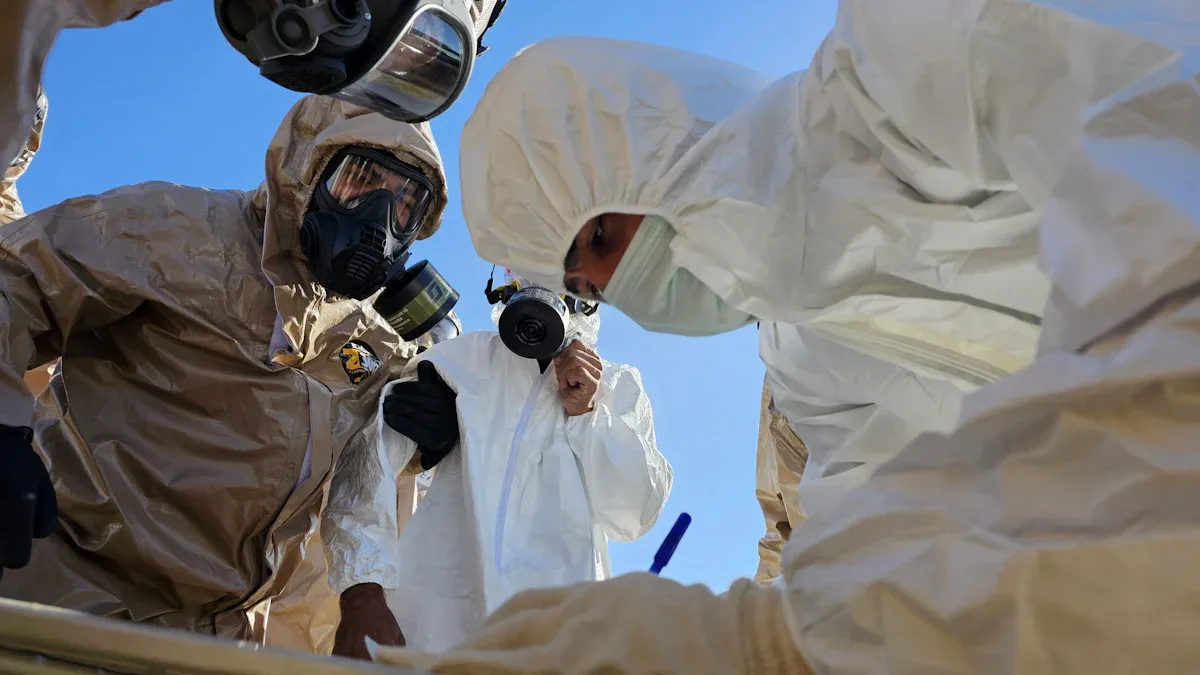
Personal protective equipment (PPE) plays a crucial role in ensuring safety when you handle hazardous drugs. PPE includes essential items such as gloves, goggles, and splash aprons, which protect you from exposure. Approximately 8 million healthcare workers in the U.S. face risks from these drugs, which can lead to serious health issues like leukemia and organ damage. Understanding specific PPE requirements and effective spill control strategies is vital for your safety and compliance with regulations like USP 800 PPE Strategies for Spill Control and Decontamination.
Key Takeaways
Wearing the right PPE, like gloves and goggles, is crucial for protecting yourself from hazardous drugs.
Select PPE based on the specific risks of exposure to ensure maximum safety during drug handling.
Act quickly during a spill: assess the situation, alert your team, and use proper PPE before cleanup.
Regular training on spill response and PPE usage is essential for all staff handling hazardous drugs.
Implementing prevention strategies, like proper ventilation and routine equipment checks, can significantly reduce spill risks.
PPE for Hazardous Drugs
Types of PPE
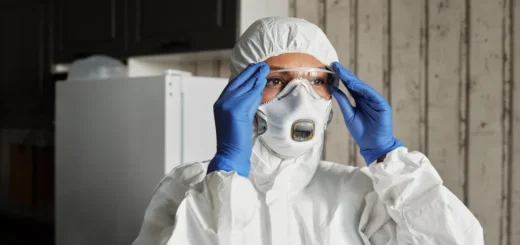
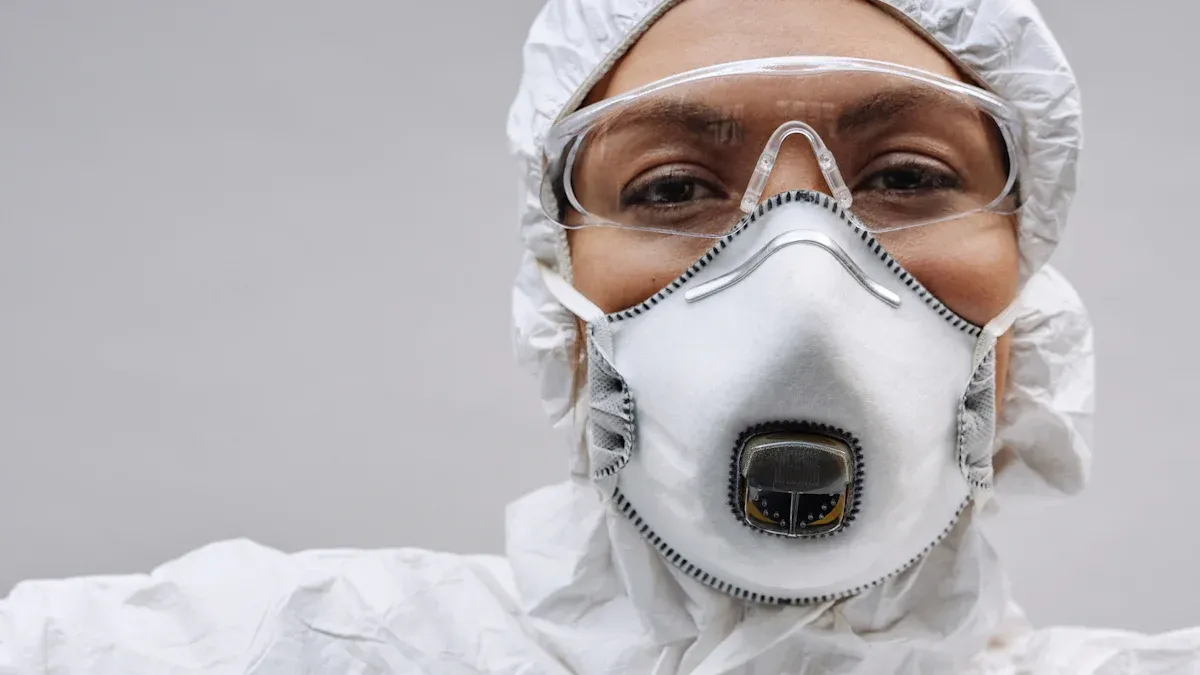
When handling hazardous drugs, you must wear the right personal protective equipment (PPE) to minimize exposure. The following types of PPE are essential according to USP 800 guidelines:
Slip Shoe Covers: These disposable covers protect your shoes from contamination.
Bunny Suit Coveralls: These full-body suits provide comprehensive protection against spills and splashes.
Face Masks: Masks shield your face from inhaling hazardous particles.
Proper Gloves: Use gloves specifically designed for handling hazardous drugs.
Goggles: Goggles protect your eyes from splashes and airborne particles.
Respirators: When unpacking hazardous drugs, wearing a respirator is crucial for respiratory protection.
Selecting PPE
Choosing the right PPE is vital for your safety. Here are some recommendations to guide your selection:
PPE Type | Recommendations |
|---|---|
Chemotherapy-tested gloves | Wear these gloves, changing them every 30 minutes or when contaminated. |
Non-permeable gowns | Ensure gowns are closed in the back and change them every 2-3 hours or after spills. |
Eye protection | Always wear goggles to prevent exposure to hazardous drugs. |
Respirators/masks | Use these for additional respiratory protection. |
Closed-system transfer devices | Utilize these devices to minimize exposure during drug handling. |
Double gloves and protective gowns are particularly important. The USP <800> standards emphasize that double gloving minimizes cross-contamination. The outer gloves should cover the gown cuffs to ensure complete protection from hazardous substances.
Evidence Type | Recommendation |
|---|---|
Gloves | Use double gloves that comply with ASTM standard D-6978-(05)-13, preferably nitrile, polyurethane, or neoprene. Change gloves every 30 minutes or immediately if contaminated. |
Gowns | Use disposable gowns made of low-permeability fabric, changing them after contamination or every 3.5 hours. Ensure gowns are certified for hazardous drug protection. |
By selecting the appropriate PPE, you significantly reduce the risk of exposure to hazardous drugs. Remember, proper PPE not only protects you but also ensures compliance with USP 800 PPE Strategies for Spill Control and Decontamination.
USP 800 PPE Strategies for Spill Control
Spill Response Procedures
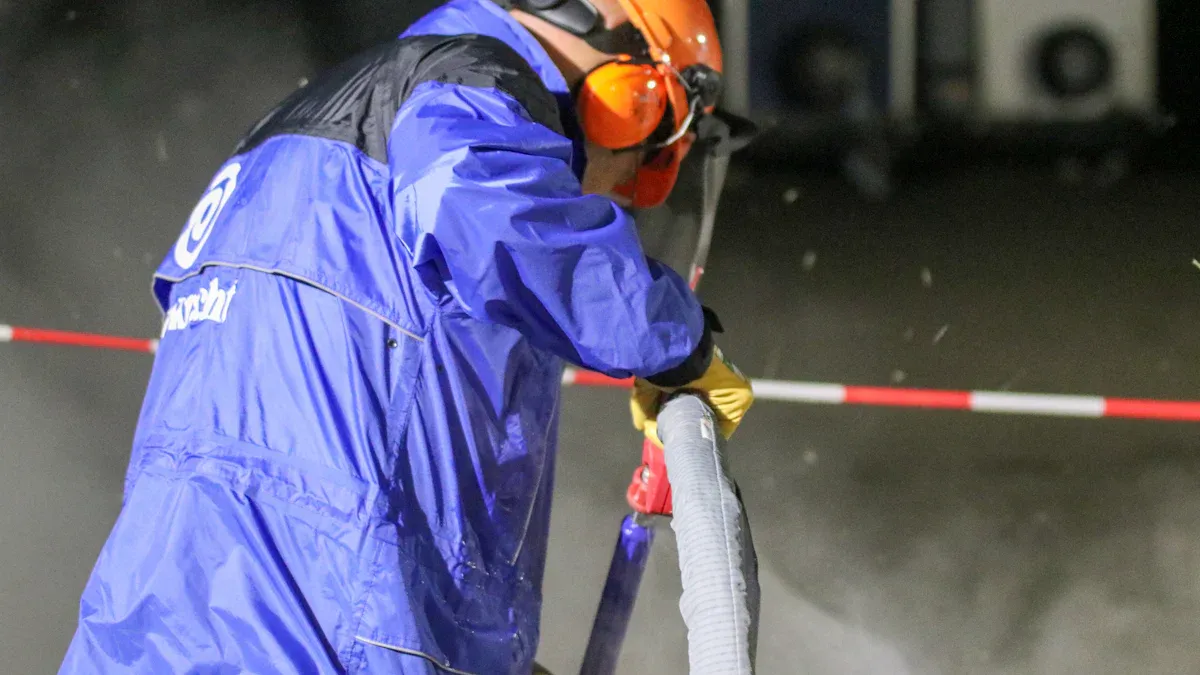
When a hazardous drug spill occurs, you must act quickly and efficiently to minimize exposure. Follow these best practices for spill response in compliance with USP 800:
Assess the Situation: Quickly evaluate the spill size and type of hazardous drug involved. This assessment helps determine the appropriate response.
Alert Personnel: Notify your team immediately. Ensure everyone in the area is aware of the spill to prevent further exposure.
Use Personal Protective Equipment (PPE): Before addressing the spill, don the necessary PPE, including double gloves, gowns, and eye protection.
Contain the Spill: Use absorbent materials to contain the spill. This action prevents the hazardous drug from spreading further.
Clean Up: Follow established protocols for cleaning up the spill. Use a spill kit that includes items like nitrile chemotherapy gloves, wiper pads, and a scoop for safe disposal.
Dispose of Contaminated Materials: Place all contaminated materials and used PPE in a black pharmaceutical waste container. Proper cleaning and waste segregation are essential to reduce exposure risks.
Comprehensive training is essential for all personnel handling hazardous drugs, including spill response management. Establishing protocols for handling hazardous drugs minimizes contamination risks. Regular environmental monitoring for contamination helps identify exposure risks and guide corrective actions.
Prevention Strategies
Preventing spills is just as important as responding to them. Here are effective strategies to minimize the risk of hazardous drug spills:
Engineering Controls: Implement effective facility and engineering controls. Proper ventilation systems and containment areas are essential for minimizing exposure to hazardous drugs and preventing spills. Specialized ventilation systems remove airborne contaminants, while containment areas like negative pressure rooms prevent the escape of hazardous substances. Establish clear guidelines for the segregation of hazardous drug storage areas to prevent cross-contamination and ensure safe storage.
Proper Training: Ensure all staff receive training on handling hazardous drugs and spill prevention. Regular training sessions reinforce safe practices and keep everyone informed about the latest protocols.
Regular Equipment Checks: Conduct routine inspections of equipment used for handling hazardous drugs. Ensure that all devices function correctly and are free from damage.
Spill Kits: Maintain well-stocked spill kits in accessible locations. According to USP 800, a spill kit should include:
Nitrile Chemotherapy Gloves (2 pairs)
Chemotherapy Gown (1)
Shoe Covers, non-slip (1 pair)
Full-Face Safety Shield (1)
21g Green-Z® Fluid Solidifier (1)
Scoop & Scraper (1)
Yellow Chemotherapy Waste Bag (1)
Wiper Pads (2)
Twist Tie (1)
Identification Tag (1)
Instruction Card (1)
Caution Sign (1)
By implementing these prevention strategies, you can significantly reduce the likelihood of hazardous drug spills in your workplace. Remember, proactive measures are key to maintaining a safe environment.
Compliance with USP 800
Key USP 800 Requirements
To ensure safety when handling hazardous drugs, you must comply with several key requirements outlined in USP 800. These include:
Personal Protective Equipment (PPE): You must wear appropriate PPE, including gloves, gowns, hair covers, shoe covers, eye protection, and respirators. All PPE should be single-use only and never reused.
Spill Control: Qualified personnel must immediately contain and clean hazardous drug spills. Spill kits should be readily available in all areas where hazardous drugs are handled.
Training: All personnel handling hazardous drugs must receive specific training related to their roles. This training should be documented and competency assessed annually.
Failure to comply with these requirements can lead to serious consequences. The table below outlines some potential penalties for non-compliance:
Consequence |
|---|
Increased risk of exposure to hazardous drugs |
Regulatory fines and legal penalties |
Potential health hazards for healthcare workers |
Damage to the facility’s reputation |
Implementing Compliance
Implementing compliance with USP 800 requires a structured approach. Here are effective strategies to ensure adherence in your healthcare setting:
Conduct a risk assessment of all hazardous drugs.
Identify clear roles and responsibilities for staff.
Develop written policies and procedures that align with USP 800.
Provide appropriate personal protective equipment to all employees.
Offer proper training and evaluation for personnel handling hazardous drugs.
You may encounter challenges during implementation, such as financial restrictions or resistance to change. The table below highlights common challenges and strategies to overcome them:
Challenges | Strategies |
|---|---|
Financial and budgetary restrictions | Conduct a gap analysis; prioritize projects based on feasibility and resource sharing. |
Physical plant limitations | Involve facilities engineering in redesigning clean rooms. |
Training and competency | Identify retraining needs; rewrite policies and procedures. |
Resource availability | Form partnerships within the health system; consider outsourcing. |
Time | Strategize early; focus on manageable changes. |
Resistance to change | Prepare for change management; foster teamwork. |
Lack of support from leadership | Educate on USP <800>; seek early buy-in. |
By following these strategies, you can create a safer environment for everyone involved in handling hazardous drugs. Regular training and clear communication will reinforce the importance of compliance with USP 800 PPE Strategies for Spill Control and Decontamination.
In summary, personal protective equipment (PPE) is vital for your safety when handling hazardous drugs. Proper selection and use of PPE minimize exposure risks. Here are key points to remember:
Key Point | Description |
|---|---|
Necessity of PPE | PPE is essential to minimize exposure to hazardous drugs. |
Proper Selection | Specific PPE must be chosen based on potential exposure risks. |
Use and Care | Correct usage and maintenance of PPE are crucial for effectiveness. |
Gown Specifications | Gowns should prevent spills and splashes, with long sleeves and tight cuffs. |
Respiratory Protection | NIOSH-certified respirators are necessary for airborne particles. |
Contamination Awareness | Treat all PPE as contaminated and dispose of it properly. |
Recent studies show that spills are a major source of hazardous drug exposure for nurses administering chemotherapy. Many nurses do not use PPE as recommended, increasing health risks. Effective spill control measures can significantly enhance safety in healthcare settings. Prioritize safety and compliance in your practices to protect yourself and your colleagues.
FAQ
What is the purpose of PPE in hazardous drug handling?
PPE protects you from exposure to hazardous drugs. It minimizes risks of contamination and health issues, ensuring your safety while handling these substances.
How often should I change my gloves when handling hazardous drugs?
You should change your gloves every 30 minutes or immediately if they become contaminated. This practice helps prevent cross-contamination and exposure.
What should I do if I spill a hazardous drug?
Immediately assess the spill, alert your team, and don the appropriate PPE. Contain the spill using absorbent materials and follow your facility’s cleanup protocols.
Are there specific training requirements for handling hazardous drugs?
Yes, all personnel must receive training on hazardous drug handling and spill response. This training should be documented and assessed annually for competency.
How can I ensure compliance with USP 800?
Conduct a risk assessment, develop clear policies, provide proper PPE, and offer regular training. Regularly review and update your procedures to maintain compliance.